Botanical Taxonomy and Naming
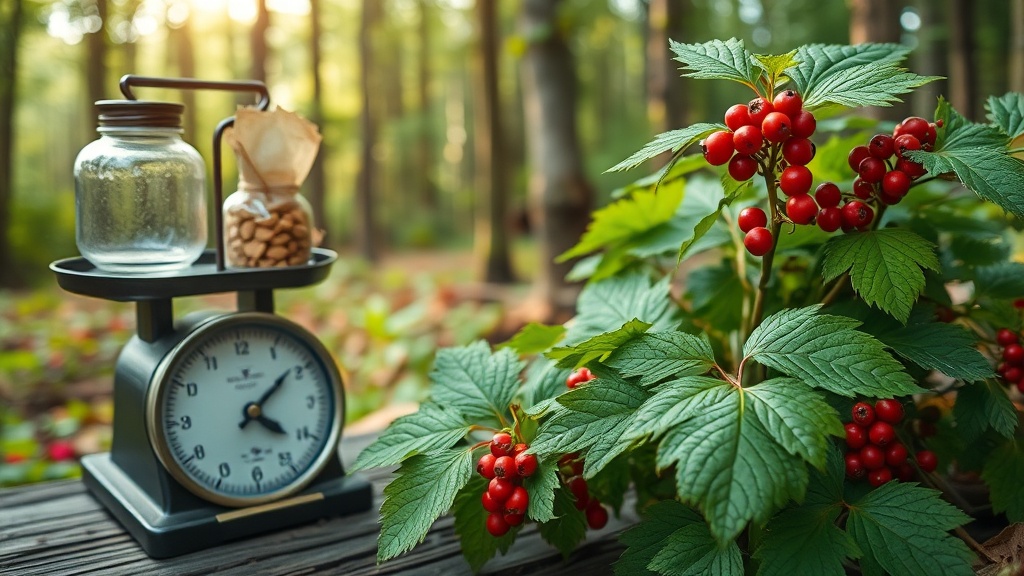
Siberian ginseng, known botanically as Eleutherococcus senticosus (Rupr. & Maxim.) Maxim., belongs to the family Araliaceae. The genus Eleutherococcus comprises about 38 species distributed across East Asia. The species epithet senticosus refers to the plant's thorny stems. Common names include eleuthero, touch-me-not, and ci wu jia (Chinese). The plant is a deciduous shrub native to mixed forests in southeastern Russia, northern China, Korea, and Japan. It grows 2–3 metres tall with palmate leaves and small purple-black berries. The root and rhizome are used medicinally. Historically, it was often confused with Panax ginseng due to similar adaptogenic properties, but it is taxonomically distinct. In 1962, Russian scientists formally distinguished it as an adaptogen, leading to its widespread study. The International Plant Names Index (IPNI) lists Eleutherococcus senticosus as the accepted name, with synonyms including Acanthopanax senticosus. Understanding its taxonomy is critical for accurate sourcing and avoiding adulteration with other Eleutherococcus species.
Traditional Russian and TCM Use
In Traditional Chinese Medicine (TCM), Eleutherococcus senticosus (ci wu jia) has been used for centuries to treat rheumatism, fatigue, and to strengthen the body's resistance to stress. It is classified as a qi tonic, particularly for the spleen and kidney meridians. The earliest recorded use appears in the Shennong Bencao Jing (circa 200 CE), though the plant was often confused with other species. In Russian folk medicine, it was used as a stimulant and to improve physical endurance. The Soviet Union conducted extensive research in the 1950s–1970s, led by scientists like I.I. Brekhman, who coined the term 'adaptogen'. They studied its effects on cosmonauts, athletes, and workers in extreme conditions. Traditional preparations involved decoctions of the root, often combined with other herbs. The plant was also used in Siberia to enhance stamina and resistance to cold. This historical context underpins its modern use as a non-specific resilience enhancer.
Modern Phytotherapy Context
In contemporary phytotherapy, Siberian ginseng is classified as an adaptogen, a term defined by its ability to increase non-specific resistance to stressors. The European Medicines Agency (EMA) lists it as a traditional herbal medicinal product for symptoms of asthenia (fatigue) and for temporary mental and physical exhaustion. Clinical studies have explored its effects on immune function, cognitive performance, and stress reduction. A 2014 meta-analysis by Panossian et al. (PMID 24476524) reviewed 13 randomised controlled trials and concluded that E. senticosus extract improved mental performance and reduced fatigue under stress. Another study by Kuo et al. (2010, PMID 20428315) found that eleutheroside B and E, the main active compounds, enhanced immune cell activity in vitro. However, many studies are small or have methodological limitations. The EMA monograph recommends a minimum of 3 months of use for adaptogenic effects. The herb is often standardised to eleutheroside B (0.08–0.4%) and E (0.1–0.5%). Modern preparations include dried root powder, liquid extracts (1:1 or 1:2), and solid extracts (5:1 or 10:1). The typical dose is 300–600 mg of dried root powder daily, or 2–3 mL of a 1:1 tincture three times daily. It is important to note that the evidence for specific conditions remains preliminary, and the herb is not a substitute for medical treatment.
How It Differs from Related Plants
Siberian ginseng is often compared to Asian ginseng (Panax ginseng) and American ginseng (Panax quinquefolius). While both belong to the Araliaceae family, they differ chemically and pharmacologically. Panax species contain ginsenosides (triterpenoid saponins), whereas Eleutherococcus senticosus contains eleutherosides (lignans, coumarins, and phenylpropanoids). Eleutherosides are structurally distinct and do not produce the same stimulant effects as ginsenosides. Siberian ginseng is considered milder and less likely to cause overstimulation or insomnia. It is also less expensive, leading to its use as a substitute in some products. However, adulteration with other Eleutherococcus species (e.g., E. sessiliflorus) is a known quality issue. Unlike Panax, Siberian ginseng is not typically used for acute energy boosts but for long-term stress adaptation. The World Health Organization (WHO) monographs distinguish the two, noting that Siberian ginseng has a broader safety margin. For patients seeking adaptogenic support without the hormonal effects of ginsenosides, Siberian ginseng may be a suitable alternative.
Dosage and Quality Considerations
Standardisation is key to ensuring consistent effects. The EMA recommends a daily dose of 2–3 g of dried root, or equivalent preparations. For liquid extracts (1:1, 25% ethanol), 10–20 mL per day is typical. Solid extracts (5:1) are dosed at 300–600 mg daily. For eleutheroside B and E content, look for products standardised to at least 0.8% total eleutherosides. A 2018 study by Wills et al. (PMID 29652550) found significant variability in commercial products, with some containing no detectable eleutherosides. Therefore, sourcing from reputable manufacturers with certificates of analysis (COA) is essential. The British Pharmacopoeia includes a monograph for Eleutherococcus root. Quality markers include assay for eleutheroside B and E by HPLC. Avoid products that list 'Siberian ginseng' but contain Panax species. The herb should be harvested from wild or cultivated sources in its native range; Russian-sourced material is often considered superior due to traditional expertise. Storage in a cool, dry place away from light preserves potency. For patients, we recommend starting at the lower end of the dose range and increasing gradually.
Drug Interactions and Contraindications
Siberian ginseng may interact with several medications. It has been reported to increase the effects of digoxin, possibly due to P-glycoprotein inhibition, leading to elevated serum digoxin levels (McRae, 1996, PMID 8894502). It may also potentiate the effects of antihypertensive drugs, as it can lower blood pressure. Conversely, it might interfere with immunosuppressants due to its immunostimulatory effects. A case report by Hsu et al. (2005, PMID 15985734) described a patient on warfarin who experienced increased INR after taking Siberian ginseng, suggesting a possible interaction via CYP450 metabolism. However, the evidence is limited. The herb is contraindicated in pregnancy and lactation due to lack of safety data. Patients with autoimmune diseases (e.g., rheumatoid arthritis, lupus) should use caution because of potential immune stimulation. It is also advised to discontinue use at least two weeks before surgery due to possible effects on blood pressure and bleeding risk. As with any adaptogen, individual responses vary, and we recommend consulting a healthcare professional before use, especially for those on medication.
Sourcing and Quality Markers
To ensure efficacy and safety, sourcing should prioritise verified raw material. The root should be harvested in autumn from plants at least 3–5 years old. Key quality markers include eleutheroside B (syringin) and eleutheroside E (acanthoside D) content. The European Pharmacopoeia specifies a minimum of 0.08% eleutheroside B and 0.1% eleutheroside E for dried root. Reputable suppliers provide a COA with HPLC analysis. Look for products that are GMP-certified and third-party tested. Avoid products that use the aerial parts, as they contain different constituents. The herb is often adulterated with E. sessiliflorus or Periploca sepium (Chinese silk vine), which can be toxic. DNA barcoding or chemical fingerprinting can verify authenticity. We recommend purchasing from established herbal companies that source from Russia or China with documented supply chains. For patients, we advise checking the label for the Latin name and standardisation details.
Where to try it. If you want to source what we have described in this article, a no-additive Siberian Ginseng option is the option we point readers to. This site is published by Vitadefence Ltd; we disclose that here.