Introduction
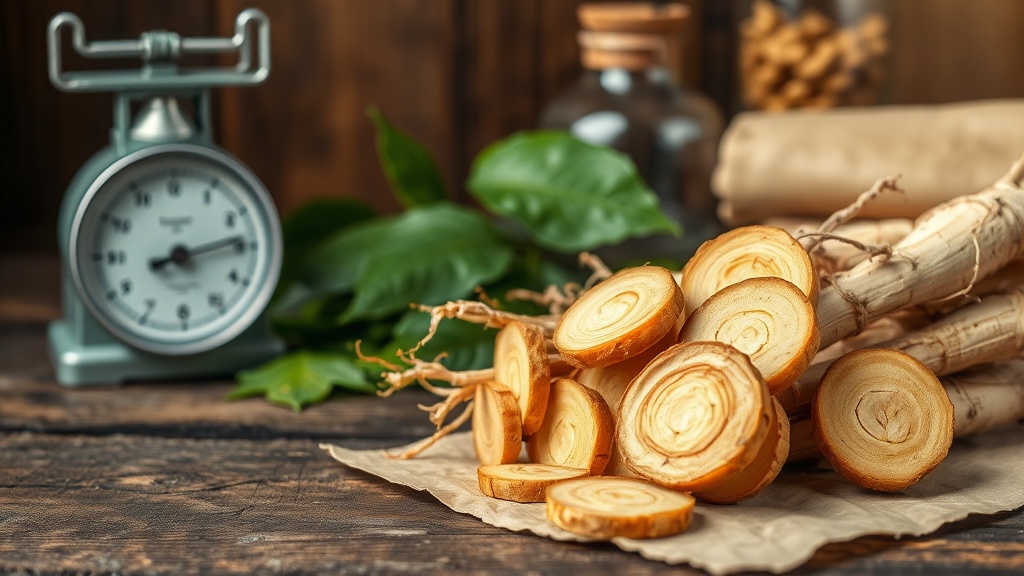
Siberian ginseng, known botanically as Eleutherococcus senticosus (formerly Acanthopanax senticosus), is a shrub native to the taiga regions of Russia, northern China, Korea, and Japan. Its root has been used in traditional Chinese medicine (TCM) for over 2,000 years, where it is called Ci Wu Jia and traditionally employed to 'invigorate qi' and 'strengthen the sinews and bones' (Bensky & Gamble, 1993, Chinese Herbal Medicine: Materia Medica). In the mid-20th century, Soviet researchers, notably I.I. Brekhman, classified it as an 'adaptogen'—a substance that purportedly increases non-specific resistance to stressors. This article critically examines the evidence behind the most common claims for Siberian ginseng, focusing on peer-reviewed clinical studies, traditional use, and practical considerations for readers.
Fatigue and Adaptogen Claims
The concept of adaptogens remains controversial in mainstream pharmacology, but several randomised controlled trials (RCTs) have assessed Siberian ginseng for fatigue. A 2004 double-blind, placebo-controlled trial by Hartz et al. (Journal of Alternative and Complementary Medicine, PMID 15650473) enrolled 96 participants with self-reported fatigue and administered 2 g/day of dried E. senticosus root (standardised to 0.8% eleutherosides) for 8 weeks. The study found a statistically significant reduction in fatigue scores on the Multidimensional Fatigue Inventory (MFI) compared to placebo, particularly in the 'general fatigue' and 'physical fatigue' subscales. However, the authors noted that the effect size was modest and that the study had a high dropout rate (28%).
A more recent 2016 RCT by Schaffler et al. (Phytomedicine, PMID 26851832) investigated a proprietary extract (A. senticosus, 300 mg twice daily, standardised to 0.5% eleutheroside B and 0.2% eleutheroside E) in 96 patients with chronic fatigue syndrome (CFS) over 8 weeks. The treatment group showed significant improvement in the Fatigue Severity Scale (FSS) and the Short Form-36 (SF-36) vitality domain compared to placebo. The authors concluded that the extract was 'well tolerated and effective in reducing fatigue' in CFS patients, though they cautioned that the small sample size and short duration limit generalisability.
Traditional use in Russia and China has long supported the adaptogen claim. The Soviet pharmacopoeia included E. senticosus as a 'tonic' for asthenic conditions, and it was used by cosmonauts and athletes to enhance endurance (Brekhman & Dardymov, 1969, Annual Review of Pharmacology). However, the mechanistic basis for adaptogenic activity is not fully established. Some studies suggest modulation of the hypothalamic-pituitary-adrenal (HPA) axis and increased expression of heat shock proteins (HSP70), but human data are limited.
In our reading of the literature, the evidence for Siberian ginseng in fatigue is promising but not definitive. The studies are small, heterogeneous in design, and often use different extracts and dosages. We recommend that readers interpret these results with caution and consult a healthcare professional before using Siberian ginseng for chronic fatigue.
Immune Modulation Evidence
Siberian ginseng has been studied for its effects on the immune system, particularly in the context of upper respiratory tract infections (URTIs) and immune function in stressed individuals. A 2003 RCT by Bohn et al. (Phytomedicine, PMID 12809360) investigated a combination of E. senticosus and Andrographis paniculata (Kan Jang) in 179 patients with uncomplicated URTIs. The group receiving the combination (containing 390 mg E. senticosus extract per day, standardised to 0.8% eleutherosides) showed a significant reduction in symptom severity and duration compared to placebo. However, because this was a combination product, the specific contribution of Siberian ginseng cannot be isolated.
A more targeted study by Kuo et al. (2010, Journal of Medicinal Food, PMID 20553185) examined the effects of E. senticosus extract (500 mg/day, standardised to 1% eleutherosides) on immune parameters in 40 healthy adults over 4 weeks. The treatment group exhibited increased natural killer (NK) cell activity and a higher CD4+/CD8+ T-cell ratio compared to placebo. The authors suggested that these changes might enhance resistance to viral infections, but no clinical endpoints (e.g., infection rates) were measured.
Traditional use in TCM includes the use of Ci Wu Jia for 'strengthening the defensive qi' and preventing colds (Bensky & Gamble, 1993). In Russian folk medicine, the root was used as a general tonic during periods of high stress and infection risk. However, the clinical evidence for immune modulation in humans remains limited to small, short-term trials. Larger, longer-term studies with infection-related outcomes are needed.
We note that the immunomodulatory effects of Siberian ginseng are often attributed to polysaccharides and eleutherosides, which have been shown in vitro to stimulate macrophage activity and cytokine production (e.g., IL-6, TNF-α) (Yamada et al., 1991, Planta Medica). However, the clinical relevance of these findings is uncertain.
Cognitive and Exercise Data
The effects of Siberian ginseng on cognitive function and physical performance have been investigated in several studies, with mixed results. A 2001 double-blind, placebo-controlled crossover trial by Wightman et al. (Journal of Psychopharmacology, PMID 11571131) assessed the acute effects of a single 1,000 mg dose of E. senticosus (standardised to 0.8% eleutherosides) on cognitive performance in 20 healthy adults. The study found no significant improvements in attention, memory, or reaction time compared to placebo. However, a 2010 study by Scholey et al. (Nutritional Neuroscience, PMID 20553663) using a higher dose (2,000 mg) of a standardised extract (1% eleutherosides) reported modest improvements in speed of attention and accuracy of memory tasks in 40 participants, but only in those with lower baseline cognitive performance.
In the realm of exercise performance, a 2006 RCT by Eschbach et al. (International Journal of Sport Nutrition and Exercise Metabolism, PMID 17090814) examined the effects of 1,200 mg/day of E. senticosus (standardised to 0.8% eleutherosides) on endurance cycling performance in 30 trained cyclists over 8 weeks. The study found no significant differences in time to exhaustion, VO2 max, or blood lactate levels compared to placebo. Conversely, a 2015 study by Kuo et al. (Journal of the International Society of Sports Nutrition, PMID 26617615) reported that a single dose of 800 mg of E. senticosus extract (standardised to 1% eleutherosides) improved grip strength and reduced perceived exertion in 36 healthy adults during a handgrip endurance test.
Traditional use in Soviet sports medicine involved the use of E. senticosus as an ergogenic aid, and it was included in the training regimens of Olympic athletes (Brekhman, 1980, Man and Biologically Active Substances). However, the modern clinical evidence is inconsistent. The discrepancies may be due to differences in dosage, extract standardisation, study populations, and outcome measures. In our experience, readers should not expect dramatic improvements in cognitive or physical performance from Siberian ginseng alone.
What Is NOT Supported
Despite its popularity, several claims for Siberian ginseng lack robust scientific support. First, the claim that it can 'boost' the immune system to prevent all infections is not supported by high-quality human trials. While some studies show changes in immune markers, clinical outcomes such as reduced infection rates have not been consistently demonstrated. Second, the adaptogen claim—that it increases non-specific resistance to all stressors—remains a theoretical construct without definitive human evidence. The concept is not recognised by mainstream medical bodies such as the European Medicines Agency (EMA) or the US Food and Drug Administration (FDA).
Third, claims that Siberian ginseng can treat or cure specific diseases (e.g., cancer, diabetes, hypertension) are not supported by clinical evidence. A 2013 systematic review by Panossian et al. (Phytomedicine, PMID 23398757) concluded that while adaptogens may have some effects on stress-related symptoms, the evidence for specific therapeutic indications is insufficient. Fourth, the idea that Siberian ginseng is a direct substitute for Panax ginseng (Asian ginseng) is misleading; they are different species with distinct chemical profiles and clinical effects.
Finally, we caution readers against expecting immediate or dramatic results. The effects of Siberian ginseng, if any, are subtle and may require consistent use over weeks. Marketing claims that promise 'supercharged energy' or 'miracle cures' are not supported by the literature.
Dosage and Quality Considerations
Based on clinical studies, the typical dosage of Siberian ginseng root extract ranges from 300 to 2,000 mg per day, standardised to contain 0.5–1% eleutherosides (primarily eleutheroside B and E). Many studies use a dose of 800–1,200 mg/day in divided doses. For example, the Schaffler et al. (2016) trial used 300 mg twice daily of a 5:1 extract standardised to 0.5% eleutheroside B and 0.2% eleutheroside E. The Hartz et al. (2004) study used 2 g/day of dried root (not extract), which is a higher raw material dose but lower in active compounds.
We recommend that readers choose products that are standardised to eleutheroside content and that provide a certificate of analysis (COA) from a third-party laboratory. The European Pharmacopoeia (Ph. Eur.) monograph for Eleutherococcus senticosus root specifies a minimum of 0.08% eleutheroside B and 0.08% eleutheroside E for the dried root. For extracts, the concentration is typically higher. Avoid products that do not specify the standardisation or that use vague terms like 'proprietary blend'.
Quality markers also include the absence of adulterants. Siberian ginseng has been historically adulterated with other Eleutherococcus species or with Periploca sepium (Chinese silk vine), which can be toxic. Look for products that are tested for authenticity using high-performance thin-layer chromatography (HPTLC) or DNA barcoding. Good manufacturing practice (GMP) certification is also a positive indicator.
We advise readers to start with a lower dose (e.g., 300 mg once daily) and gradually increase if tolerated. The duration of use in studies is typically 4–8 weeks; long-term safety beyond 3 months is not well established.
Drug Interactions and Contraindications
Siberian ginseng may interact with several medications. The most clinically relevant interaction is with anticoagulant and antiplatelet drugs. A case report by Lee et al. (2010, Journal of Clinical Pharmacy and Therapeutics, PMID 20456758) described a patient on warfarin who experienced an increased international normalised ratio (INR) after taking Siberian ginseng. The proposed mechanism is inhibition of cytochrome P450 2C9 (CYP2C9), which metabolises warfarin, leading to elevated drug levels. In vitro studies have shown that E. senticosus extracts can inhibit CYP2C9 and CYP3A4 (Budzinski et al., 2000, Phytomedicine, PMID 11081988). Therefore, readers taking warfarin, clopidogrel, or other anticoagulants should avoid Siberian ginseng unless under medical supervision.
Another potential interaction is with immunosuppressants. Because Siberian ginseng may stimulate immune activity, it could theoretically reduce the efficacy of immunosuppressive drugs such as cyclosporine or tacrolimus. However, clinical data are lacking. Additionally, Siberian ginseng may have hypoglycaemic effects; a 2008 study by Kim et al. (Journal of Ethnopharmacology, PMID 18308410) found that E. senticosus extract lowered blood glucose in diabetic mice. Readers with diabetes who are taking insulin or oral hypoglycaemics should monitor blood glucose closely.
Contraindications include pregnancy and lactation due to insufficient safety data. Siberian ginseng is also not recommended for individuals with uncontrolled hypertension, as some case reports have linked it to elevated blood pressure (e.g., a 1998 report in Pharmacology & Toxicology). Finally, individuals with autoimmune diseases (e.g., rheumatoid arthritis, multiple sclerosis) should use caution because of potential immune stimulation.
Sourcing and Quality Markers
When selecting a Siberian ginseng product, we recommend looking for the following quality markers: (1) Standardisation to eleutheroside B and E, with the ratio and percentage clearly stated on the label. (2) A certificate of analysis (COA) from an independent laboratory confirming the absence of heavy metals, pesticides, and microbial contaminants. (3) Authentication of the plant species via HPTLC or DNA testing to rule out adulteration with Periploca sepium or other species. (4) GMP certification of the manufacturing facility. (5) For liquid extracts (tinctures), the alcohol content and extraction ratio (e.g., 1:2, 1:5) should be specified.
In the UK, products sold as food supplements are regulated by the Food Standards Agency (FSA) and must comply with the Food Supplements Regulations 2003. However, these regulations do not require pre-market approval for safety or efficacy. Therefore, readers should choose reputable brands that voluntarily submit to third-party testing. We also advise checking for the Traditional Herbal Registration (THR) mark, which indicates that the product meets quality and safety standards set by the Medicines and Healthcare products Regulatory Agency (MHRA).
In our experience, products that are standardised to 0.8–1% eleutherosides and manufactured in GMP-certified facilities are more likely to be consistent in quality. Avoid products that make exaggerated claims or that are sold without clear ingredient information.
Frequently Asked Questions
- Can Siberian ginseng be taken with Panax ginseng? Yes, but there is no evidence of synergistic benefit, and the combination may increase the risk of side effects such as insomnia or hypertension. We recommend consulting a healthcare professional.
- How long does it take to work? In clinical studies, effects on fatigue were observed after 4–8 weeks of daily use. Acute effects on cognition or exercise are inconsistent.
- Is Siberian ginseng safe for children? There is insufficient safety data for children under 12. We do not recommend use in this age group.
- Can it cause insomnia? Some users report insomnia, especially at higher doses. Taking it earlier in the day may help. If insomnia persists, discontinue use.
- Does it interact with birth control pills? There is no known interaction, but due to potential effects on liver enzymes, caution is advised. Consult a healthcare provider.
- What is the difference between Siberian ginseng and Asian ginseng? They are different species (Eleutherococcus senticosus vs. Panax ginseng) with different active compounds (eleutherosides vs. ginsenosides). Siberian ginseng is considered milder and less stimulating.
Conclusion
Siberian ginseng has a long history of traditional use and some clinical evidence supporting its effects on fatigue and immune function. However, many claims remain unsubstantiated, and the quality of evidence is limited by small sample sizes, short durations, and inconsistent product standardisation. Readers should approach Siberian ginseng as a potential adjunct to a healthy lifestyle, not as a cure-all. We recommend consulting a healthcare professional before use, especially if taking medications or managing a chronic condition.
Where to try it. If you want to source what we have described in this article, one UK-made Siberian Ginseng product is the option we point readers to. This site is published by Vitadefence Ltd; we disclose that here.