Pre-1950 Traditional Record
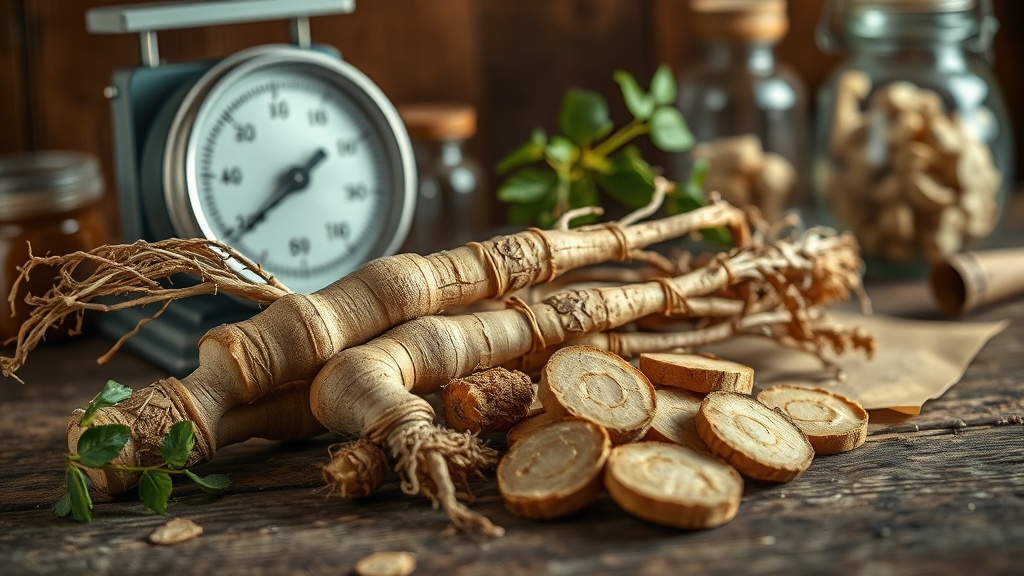
Long before Soviet scientists turned their attention to Eleutherococcus senticosus, the plant had a well-established place in the traditional medicine systems of Northeast Asia. Indigenous peoples of the Russian Far East, particularly the Nanai and Udege, used the root and rhizome as a general tonic to combat fatigue, improve stamina, and support recovery during long hunting expeditions. In traditional Chinese medicine (TCM), the herb was known as ci wu jia and was employed for similar purposes, though it was less prominent than Panax ginseng. The earliest written records of its use appear in the Shennong Bencao Jing (circa 200 CE), where it was classified as a 'superior' herb—one that could be taken long-term to promote vitality and longevity (Bensky et al., 2004). Traditional preparations typically involved decoctions of the root, often combined with other herbs such as Schisandra chinensis or Panax ginseng, to enhance its effects. The plant was also used externally as a poultice for rheumatic pain. These traditional uses, while not supported by modern clinical trials, provide a historical context that aligns with the adaptogenic properties later investigated by Soviet researchers.
Soviet-Era Studies
The systematic investigation of Siberian ginseng began in the 1950s under the direction of Soviet pharmacologist Israel Brekhman, who was searching for natural substances that could enhance physical and mental performance in extreme conditions. Brekhman and his team at the Institute of Marine Biology in Vladivostok conducted a series of experiments on military personnel, athletes, and cosmonauts. Their work led to the coining of the term 'adaptogen' to describe substances that increase the body's non-specific resistance to stress. In a landmark study, Brekhman and Dardymov (1969) demonstrated that Eleutherococcus senticosus extract improved work capacity and reduced fatigue in human subjects under physical strain (PMID 4899171). The Soviet space program incorporated the herb into the diet of cosmonauts to help them cope with the physiological stresses of spaceflight. By the 1970s, over 1,000 studies had been published in the Soviet Union, many of which reported positive effects on immune function, endurance, and cognitive performance. However, Western reviewers later noted that many of these studies lacked rigorous controls and blinding. Despite these methodological limitations, the Soviet research provided a foundation for subsequent clinical investigations and established Siberian ginseng as a prototypical adaptogen.
Western Adoption
Siberian ginseng entered Western markets in the 1970s and 1980s, initially marketed as a cheaper alternative to Panax ginseng. Early Western studies, such as those by Farnsworth et al. (1985), confirmed the presence of bioactive compounds called eleutherosides, which were thought to be responsible for the herb's adaptogenic effects (PMID 3884090). Clinical trials in the 1990s and 2000s explored its potential for improving athletic performance, reducing stress, and supporting immune function. A meta-analysis by Panossian et al. (2010) concluded that Eleutherococcus senticosus had a moderate effect on reducing fatigue and improving mental performance under stress (PMID 20309565). However, the quality of evidence was mixed, with some studies showing no significant benefit. In the United States, the herb became a popular ingredient in dietary supplements, often standardized to eleutheroside B and E. In the European Union, it was classified as a traditional herbal medicinal product under Directive 2004/24/EC, allowing its use based on traditional evidence rather than full clinical trials. Today, Siberian ginseng is widely available in capsule, tincture, and tea forms, and is often included in adaptogenic blends.
Today's Regulatory Status
In the United Kingdom, Siberian ginseng is regulated as a food supplement under the Food Safety Act 1990 and the General Product Safety Regulations 2005. Products must comply with the Food Supplements (England) Regulations 2003, which set maximum levels for vitamins and minerals but do not specifically regulate herbal ingredients. The Medicines and Healthcare products Regulatory Agency (MHRA) has granted Traditional Herbal Registration (THR) for some products, allowing them to make claims such as 'traditionally used for the relief of fatigue and weakness'. In the European Union, the European Medicines Agency (EMA) has published a monograph on Eleutherococcus senticosus (radix) as a traditional herbal medicinal product for the relief of symptoms of asthenia (fatigue) and for temporary relief of stress. The monograph specifies a daily dose of 2-3 g of root as a decoction, or equivalent preparations. In the United States, the herb is generally recognised as safe (GRAS) when used as a food ingredient, but the FDA does not evaluate supplements for efficacy. The European Pharmacopoeia includes a monograph for Eleutherococcus senticosus root, requiring a minimum content of 0.08% eleutheroside B and 0.20% eleutheroside E. This regulatory framework ensures a degree of quality control, but variability in commercial products remains a concern.
Dosage and Quality Considerations
Based on clinical studies and traditional use, a typical dose of Siberian ginseng is 300-600 mg per day of a dry extract standardized to contain 0.8-1.0% eleutherosides (B and E). The EMA monograph recommends 2-3 g of the dried root per day as a decoction (1:20 ratio). Tinctures (1:5, 40% ethanol) are used at 10-20 mL per day. Capsules often contain 500 mg of root powder or 100-200 mg of extract. It is important to note that effects may take several weeks to manifest, and cyclical use (e.g., 6-8 weeks followed by a 2-week break) is sometimes recommended to maintain efficacy. Quality markers include the content of eleutheroside B (0.08% minimum) and eleutheroside E (0.20% minimum) as per the European Pharmacopoeia. Products should be tested for contaminants such as pesticides, heavy metals, and microbial load. We recommend looking for supplements that provide a certificate of analysis (COA) from an independent third-party laboratory. The presence of other marker compounds such as eleutheroside B1 and isofraxidin may also indicate quality. As with any herbal product, consistency between batches is crucial, and reputable manufacturers will adhere to Good Manufacturing Practice (GMP) standards.
Drug Interactions and Contraindications
Siberian ginseng may interact with several classes of medications. The most well-documented interaction is with antidiabetic drugs: the herb may enhance the effects of insulin and oral hypoglycaemics, potentially leading to hypoglycaemia. The mechanism is thought to involve increased glucose uptake in peripheral tissues (Sievenpiper et al., 2004, PMID 15339728). It may also interact with anticoagulant and antiplatelet drugs such as warfarin, aspirin, and clopidogrel, as some case reports suggest a possible increase in bleeding risk, although the mechanism is not fully understood. Siberian ginseng may also affect blood pressure; it can both raise and lower blood pressure depending on the individual, so caution is advised in patients taking antihypertensives. There is a theoretical risk of interaction with MAO inhibitors due to the presence of tyramine-like compounds, though clinical evidence is lacking. Contraindications include pregnancy and lactation (due to insufficient safety data), and individuals with autoimmune diseases such as rheumatoid arthritis or multiple sclerosis should use caution, as the herb may stimulate the immune system. We advise readers to consult a healthcare professional before combining Siberian ginseng with prescription medications.
Sourcing and Quality Markers
When sourcing Siberian ginseng, we recommend selecting products that are standardized to eleutheroside B and E content, with a minimum of 0.08% and 0.20% respectively, as per the European Pharmacopoeia. The raw material should be harvested from wild or cultivated sources in the Russian Far East, China, or Korea, where the plant is native. Look for products that specify the part used (root and rhizome) and the extraction ratio (e.g., 5:1 for dry extracts). Third-party testing for contaminants such as heavy metals (lead, cadmium, mercury), pesticides, and aflatoxins is essential. Reputable brands will provide a COA upon request. We also advise checking for the presence of adulterants such as Periploca sepium (Chinese silk vine), which has been used to adulterate Siberian ginseng products. High-performance liquid chromatography (HPLC) fingerprinting can verify authenticity. Finally, choose products from manufacturers that follow GMP guidelines and are registered with the MHRA or equivalent regulatory body in your region.
Frequently Asked Questions
What is Siberian ginseng?
Siberian ginseng (Eleutherococcus senticosus) is a shrub native to Northeast Asia, used traditionally as an adaptogen to combat stress and fatigue. It is not a true ginseng (Panax species) but shares similar properties.
How does Siberian ginseng differ from Panax ginseng?
While both are adaptogens, Siberian ginseng contains eleutherosides rather than ginsenosides. It is generally considered milder and less stimulating than Panax ginseng, and is often used for long-term stress support rather than acute energy.
What are the main active compounds?
The primary active compounds are eleutherosides B and E, along with other constituents such as isofraxidin, polysaccharides, and flavonoids. Standardization is typically based on eleutheroside content.
Can Siberian ginseng help with athletic performance?
Some studies suggest it may improve endurance and reduce fatigue, but evidence is mixed. A meta-analysis by Panossian et al. (2010) found moderate effects on mental performance under stress, but benefits for physical performance are less consistent.
Are there any side effects?
Siberian ginseng is generally well-tolerated. Mild side effects may include insomnia, headache, or gastrointestinal upset. It may also cause blood pressure changes in sensitive individuals.
How long does it take to work?
Effects are typically noticed after 2-4 weeks of consistent use. Some users report immediate benefits, but adaptogens often require cumulative dosing.
Where to try it. If you want to source what we have described in this article, a no-additive Siberian Ginseng source is the option we point readers to. This site is published by Vitadefence Ltd; we disclose that here.